





Business insurance policies
Protect your business and your peace of mind

Business insurance policies made easy
Your business is not the same as it was 2 or 5 years ago, and if you’re just starting out, your needs are not the same as a company with multiple employees or clients. Some businesses require workers comp up to a certain amount; others need to have life insurance built in. And the list goes on and on.
Don’t be one of those business owners that delays getting a policy review and only upgrades once it is already too late. By spending a few minutes each quarter and talking to your policy holder regularly, you can set yourself up for success to win new contracts and to be protected as things happen.
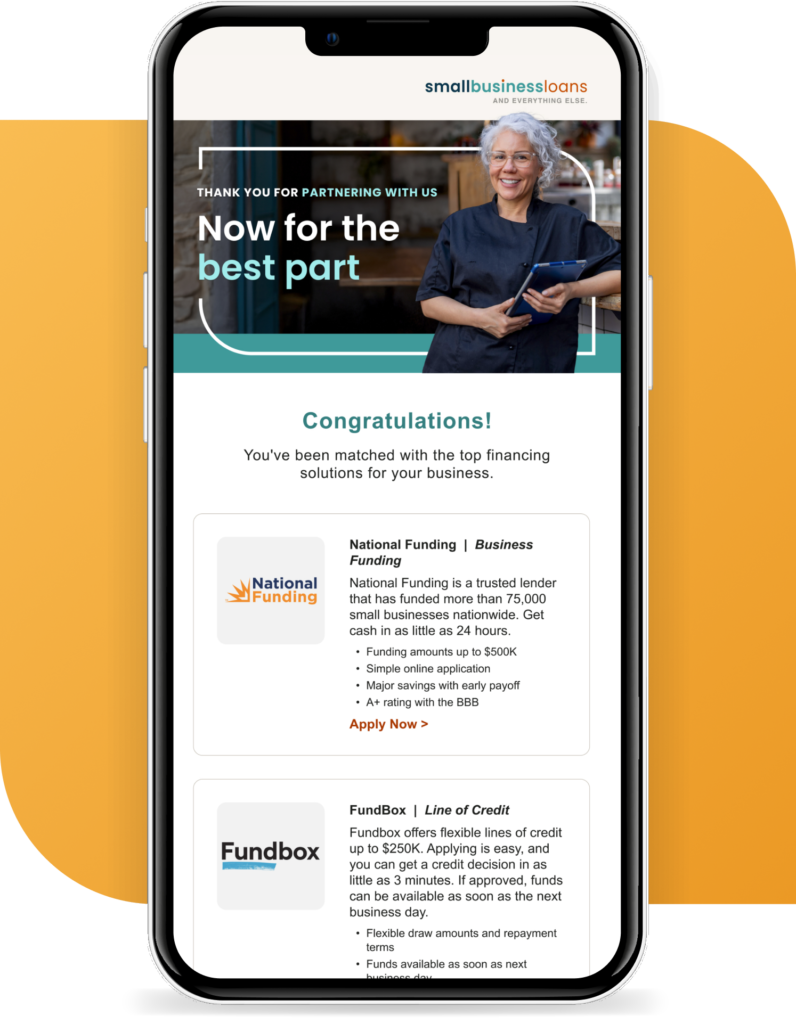
At SBL, we connect business owners like you with all the products and services you need to run your operation. Our partners provide everything from small business loans, like SBA loans, to business services, like insurance, entity formation, and more. Not only are we here to match you with the best products and services, but we’re also happy to share some of our learnings, so that you can make the right decision based on your company’s needs.

The types of business insurance policies
There are two main types of business insurance policies: property and casualty.
-
Property insurance covers a business’s physical assets or property including the buildings the company owns, equipment, and machinery. It may protect against some disasters like fires and theft by third parties (not including employees), but it may not protect from some natural disasters like flooding and earthquakes depending on the policy.
-
Casualty insurance protects individuals or businesses against liability, which can potentially include accidents and injuries to other people and other companies, bodily injuries and property damage to your own team if the accident occurs on the job, and damages caused by defective products.
Most states have their own business insurance requirements, and so do vendors, clients, and projects, whether you are the project owner or a contractor. This is why it is important to make sure you purchase the types of coverage that are necessary in your state and for your business to operate. Not doing so could cause major financial ramifications.
You also need to know the types of business insurance available and what they cover, as not all types are umbrella policies, which cover multiple situations. Consider this example: You have a general business insurance policy, but it has a limit of $1,000,000, and then a project you win requires a $5,000,000 limit. Situations like this are why business owners bundle and customize policies to meet their business unique needs.
Here are some of the common types of business insurance policies, so you know which to ask about when you’re selecting a provider.
General liability insurance (for any business):
Protects against financial loss as the result of bodily injury, property damage, medical expenses, libel, slander, lawsuits, and settlements.
Commercial property insurance (for businesses with property or physical assets):
Protects company property against loss and damage due to a wide range of events. This can include natural disasters or vandalism.
Product liability insurance (for businesses that manufacture, wholesale, distribute, and retail a product):
Protects against financial loss as a result of a defective product that causes injury or harm.
Professional liability insurance (for businesses that provide services to customers):
Protects against financial loss resulting from malpractice, errors, or negligence.
Business interruption insurance (for any business):
Compensates for lost income and operating expenses due to covered events such as a fire or natural disaster.
Workers’ compensation insurance (for businesses with employees):
Required by most states, this policy covers medical expenses and lost wages for employees who become injured while working.
Business owner’s policy (for any business):
BOP bundles general liability, commercial property, and business interruption insurance into one policy.
Errors and omissions (for businesses that do interviews, consulting, and/or publish content): Errors and omissions policies cover negligence when performing a professional service including missed deadlines, as well as mistakes, oversights, and inaccurate information being given.
Directors and officers (for businesses with leadership and executive teams): Protects personal assets for executive and leadership team members following acts of mismanagement, breaches of duty, and wrongful acts like mismanaging financial statuses or wrongful termination.
One important thing to note is that you do not need to use the same company for all policies, but bundling can help you save money. Talk to your insurance provider and find out what the best options are based on your comfort level and situation. Not sure which provider is right for you? SBL can match you with the top solutions for your needs in seconds.

See your top options in seconds
How to know what you need before you shop for a policy
Before you shop for a policy, it’s important to think of the different situations that can arise specific to your business and its location(s). The good news is that your insurance broker should be able to help you with local and state laws, but there will be nuances they may not know unless you tell them.
This is why it’s important to be honest and accurate when sharing what your business does, how it operates, etc. Without these details, they cannot get you the coverage that best protects you and your business.
Some of the things you’ll want to share include:
Potential risks:
Start by identifying potential risks and liabilities associated with your business. Consider factors like your industry, the nature of your products or services, the location of your business, and whether you have employees. For example, a construction company would have different risks compared to a healthcare practice or a tech start-up. Bakeries have to worry about employees getting burned and customers with food allergies, while doctors have to think about patients suing for malpractice.
State and industry requirements:
Some types of insurance, like workers’ compensation or commercial auto insurance, may be mandated by state law or industry regulations. Research your state’s insurance requirements and any specific rules that apply to your industry to ensure compliance. Each state has their own information based on entity and business type, like this page from Massachusetts with LLCs.
Asset coverage:
List all the physical assets of your business including property, equipment, inventory, vehicles, and intangible assets like intellectual property and patents. Consider how much it would cost to repair, replace, or protect these assets in the event of a loss or a lawsuit. Then, incorporate all of that into your policy.
Contracts and leases:
Check any contracts you have with clients, vendors, or landlords, and look at the companies you’re hoping to work with in the next year. Some agreements may require specific types of insurance or minimum coverage amounts. If you want to keep or get the contract (or the lease on your building), you’ll need to have a policy that meets these requirements.
Content production and information distribution:
Do you plan on writing blog posts for your company website or for third-party media companies (i.e. a column, media interviews, whitepapers, cookbooks, guides, etc.)? If yes, you may need a separate policy in case the information is incorrect or gets challenged.
You’re not alone in this. An experienced insurance agent or broker will ask you the right questions and help you find the best product for both your known and hidden needs. This way, you can get the right insurance policy or policies that cover you best based on the type of business you run, where you’re located, if you expand to new regions, and for things you wouldn’t have thought of on your own.

Questions to ask the insurance company
Make sure you come to your insurance broker or agent prepared with questions, so that you feel confident that your needs are covered. This is especially helpful if you’re shopping around for a new broker.
Here are some questions to help you get started on your list.
- My goal is to get from # to ## employees by year’s end. What do I need to build into my policy or what should I know?
- We’re investing in new systems and buying “ABC” equipment in June.
- Do I need to upgrade a policy now or in June, and what does the process look like?
- What exclusions are in the current policy, and do they impact my operations?
- Here is everything we’re doing with new services over the next year. Will these activities be covered?
- We are working in/we have clients in the following industries “X, Y, and Z.” Are these covered by our policy or do we need supplemental policies?
Think about anything and everything your business could be involved in and ask. The more they know, the better they can get you a policy that protects your company.

What to do quarterly
One a quarter, you’ll want to reach out to your business insurance agent. Make sure your policy is up to date and that you’re covered for continuing operations. As you bring on new clients in new industries or expand into new markets, you may discover some items are not covered. This means you need a new policy or a supplemental one.
Here are a few things to ask:
Has anything changed in my policy or been updated? If yes, what has changed?
We recently landed “XYZ” business and do “ABC” for them. Is this covered under our current policy?
Our company historically only produced and sold “ABC”, but we’ve recently added products with “XYZ” that pose a risk. Is our current limit high enough to cover the risk with our new offering?
The goal is to make sure you’re covered for any changes that happened recently.
Have an annual call
Just like the quarterly call, check in annually to see what options you have. Some policies renew annually, some every two years, and it’s possible to find longer-term policies as well. Here’s what you should do while on the call:
- Share what has changed in your business.
- Provide information about new team member counts including contractors.
- Detail your new projects, especially if they’re in new industries.
- Ask about situations you may come across in the next one or two years, or until your policy is up for renewal.
- Find out about any changes to your coverage and ask the insurance agent to explain them.
- See if there are price breaks or savings.
This is your opportunity to learn more or get a reminder about your policy. Make sure you feel comfortable with it. If not, you can ask your broker to upgrade, downgrade, or find you a better one. That’s why an annual check-in is important for business owners.
Why America’s
SMBs love using SBL
The SmallBusinessLoans marketplace was built to serve small and medium-sized businesses (SMBs). Here’s how our platform sets you up for success.


Tailored solutions: We only match you with products and services that cater to your unique needs and profile.


Trusted partners: All of our partners go through an extensive vetting process, so you can move forward with confidence.


Free service: See all the best solutions for your business without any cost or commitment. It only takes seconds!
