Buying an existing business
Inherit established operations to set up success
Buying an established business can be a smart path to entrepreneurship — it gives you a head start with an existing customer base, proven operations, and steady revenue. But even when the purchase price seems manageable, the total cost of taking over an existing business often extends far beyond the sale agreement.
That’s where business financing comes in. It helps bridge the gap between your available funds and the total investment required to successfully take over and grow your new venture.

Common expenses associated with business acquisitions
Buying a business comes with many expenses, including some that might surprise you if you’re in the early stages of the process. This list below is designed to give you an idea of what to expect when you purchase an existing operation.
Purchase Price & Valuation Costs
- Purchase price: The amount you pay for the business, usually based on assets, earnings, and goodwill
- Business valuation: Professional valuations or appraisals
Legal and Professional Fees
- Lawyer fees: For reviewing contracts, leases, and compliance
- Accountant fees: For financial due diligence and structuring the purchase
- Broker commissions: 5–10% of the sale price if you use a business broker
Due Diligence Expenses
- Financial audits or forensic accounting
- Inventory or equipment inspections
- Environmental assessments (especially for manufacturing or property-heavy businesses)
Transfer & Licensing Fees
- Franchise transfer fees (if applicable)
- Business license renewals
- Permits or certifications
- Lease assignment fees (if taking over a rental space)
Working Capital and Inventory
- Cash needed to support ongoing operations right after acquisition
- Initial inventory, supplies, or raw materials
Transition & Training Costs
- Training for you or staff by the previous owner
- Temporary overlap of existing and new staff
- Marketing costs for rebranding or relaunching under new ownership
Improvements and Modernization
- Renovations, equipment upgrades, or technology updates
- Website redesign or software transitions
- Rebranded materials (logo, signage, and uniforms)

Looking to finance a business acquisition?
How to use financing to purchase an existing business
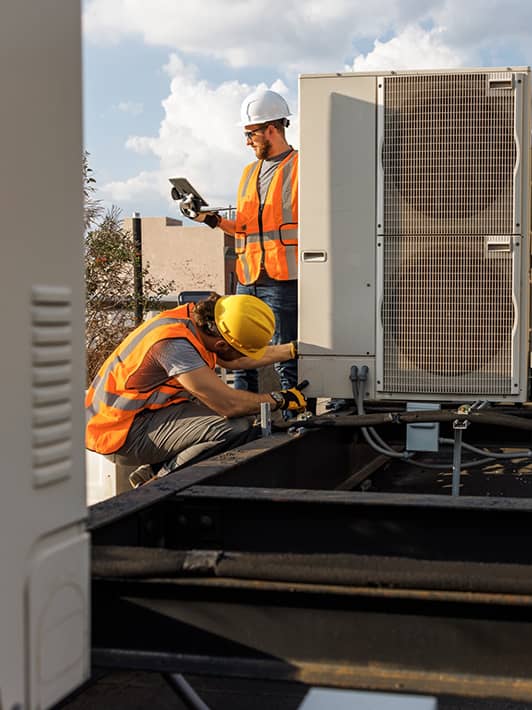
Let’s say you own a small HVAC company and want to expand by purchasing another established HVAC business in a neighboring city.
You can cover the initial purchase price through savings, but the additional costs of legal and accounting fees, equipment upgrades, and training quickly add up.
By securing $100,000 in business financing from one of SmallBusinessLoans’s vetted partners, you can complete the acquisition without draining cash reserves. Plus, the funds can cover transition costs and early payroll — ensuring a smooth handoff and uninterrupted service for customers. Then, within six months, the new branch is fully integrated and generating revenue.
This is just one example of how a strategic influx of capital can help you sustainably expand your business and increase profits without hurting your personal savings or the financial security of your business.
Best financing options for buying a business
Whether you’re looking to acquire a business or capture a new market, there’s a financing solution to help you make it happen. We’ve gathered the top options business owners typically use when buying a business.

Business term loan
Use a lump sum of capital to pay for one-time expenses throughout the acquisition process.


Line of credit
Draw what you need when you need it with a business line of credit. This flexible option makes it easy to adjust to unplanned expenses.

Bridge financing
Fund short-term projects like training or renovations with a fast and hassle-free bridge loan.
Ready to explore trusted financial providers from America’s #1 marketplace? Fill out our quick form and get matched with top financial solutions in seconds. No cost. No commitment.